Anxiety, Stress & Depression
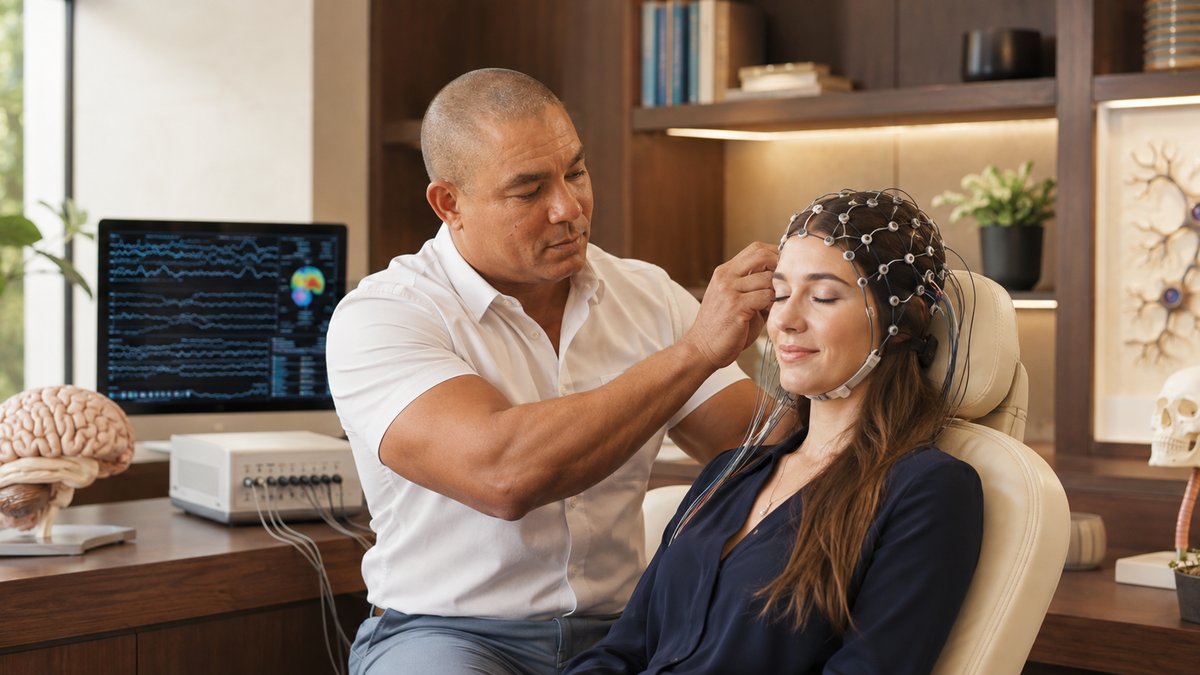
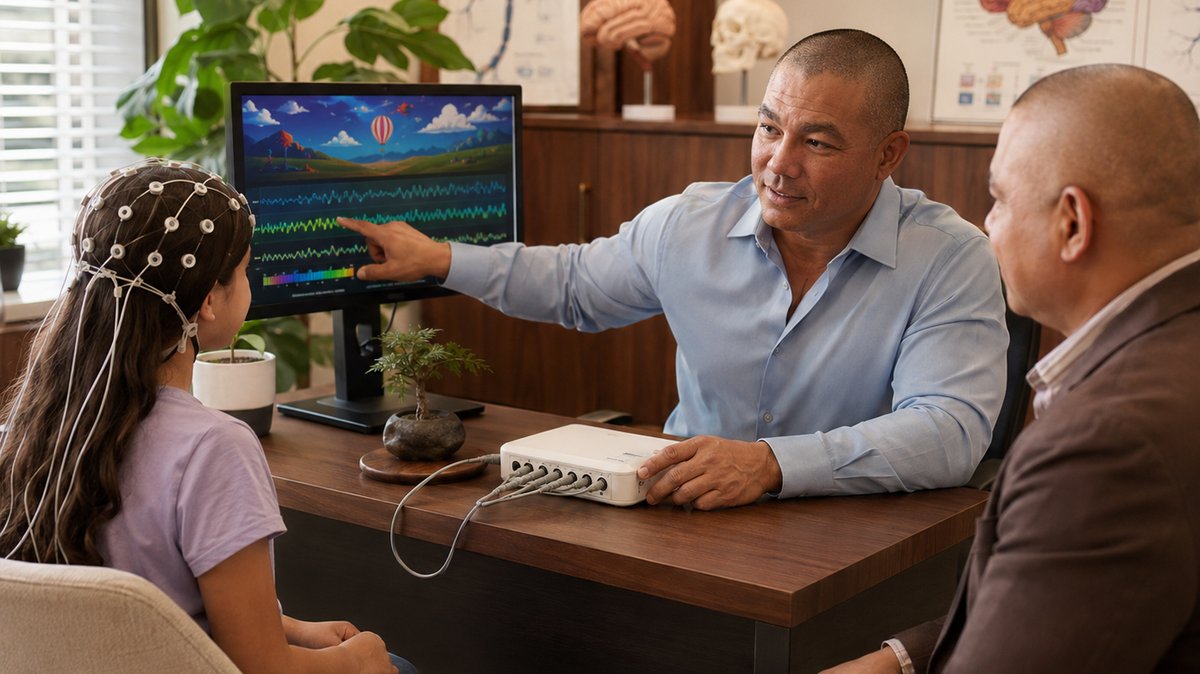
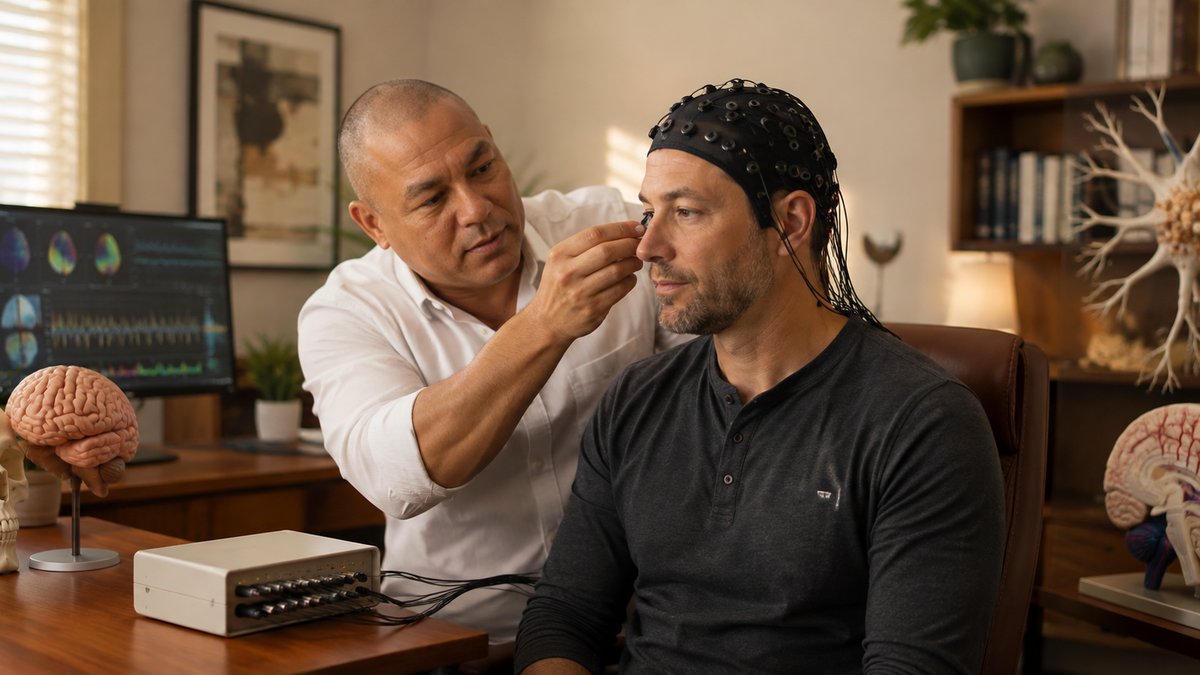
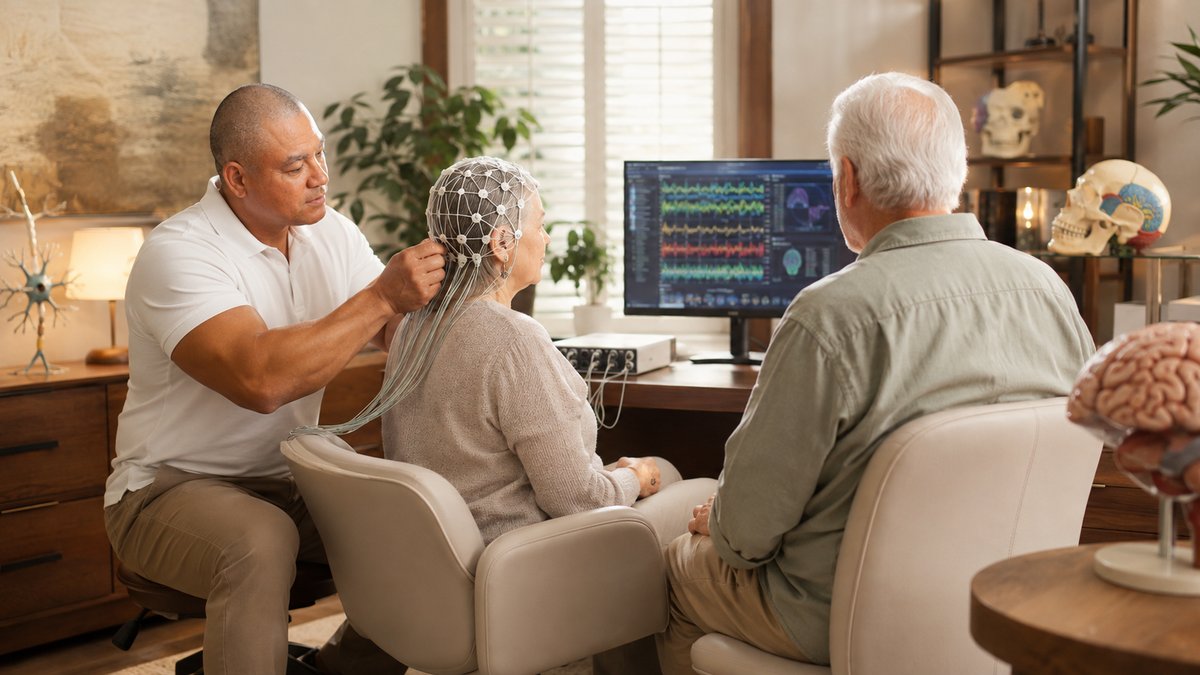
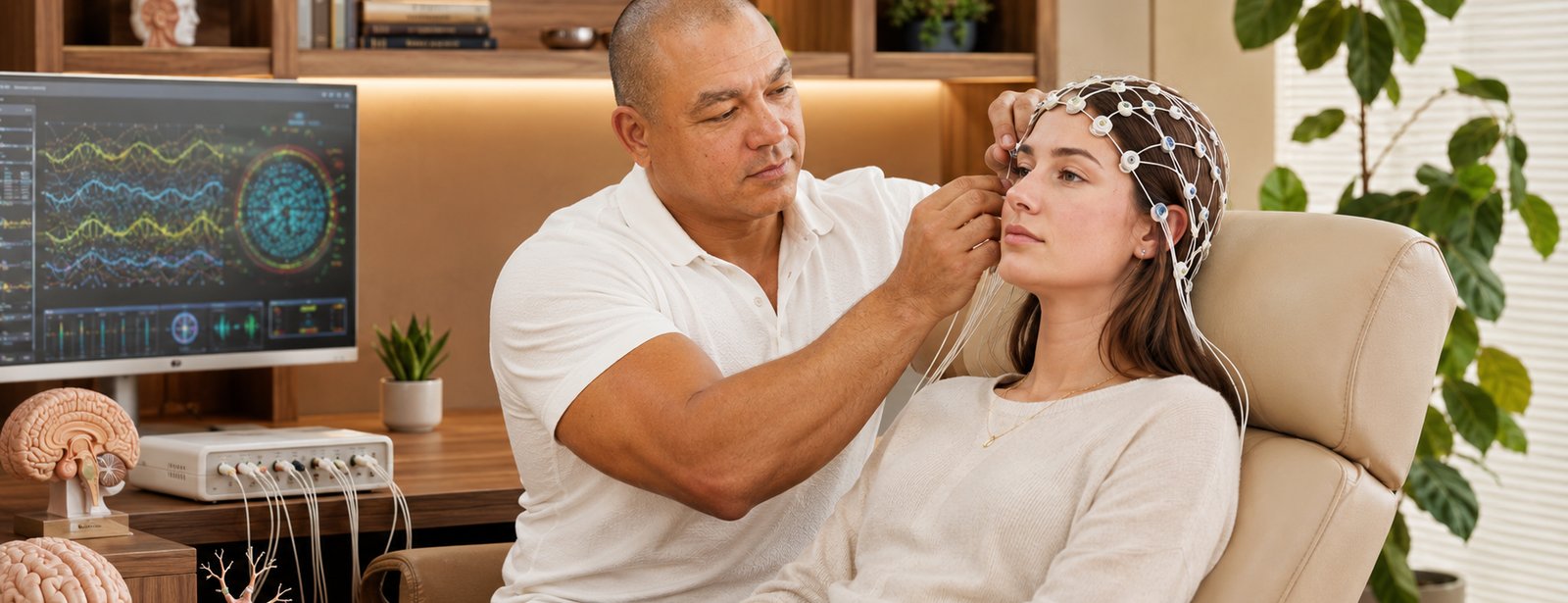
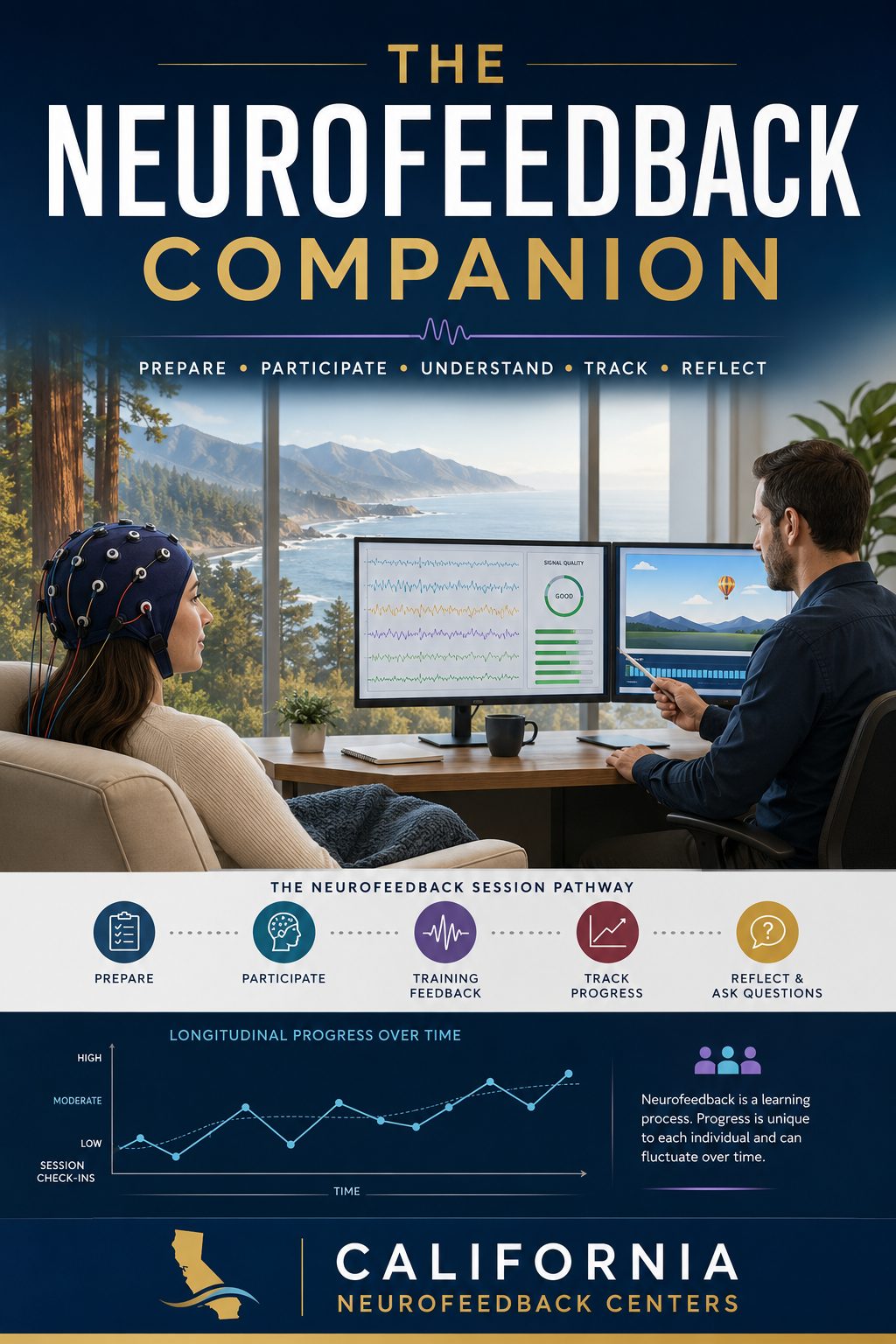
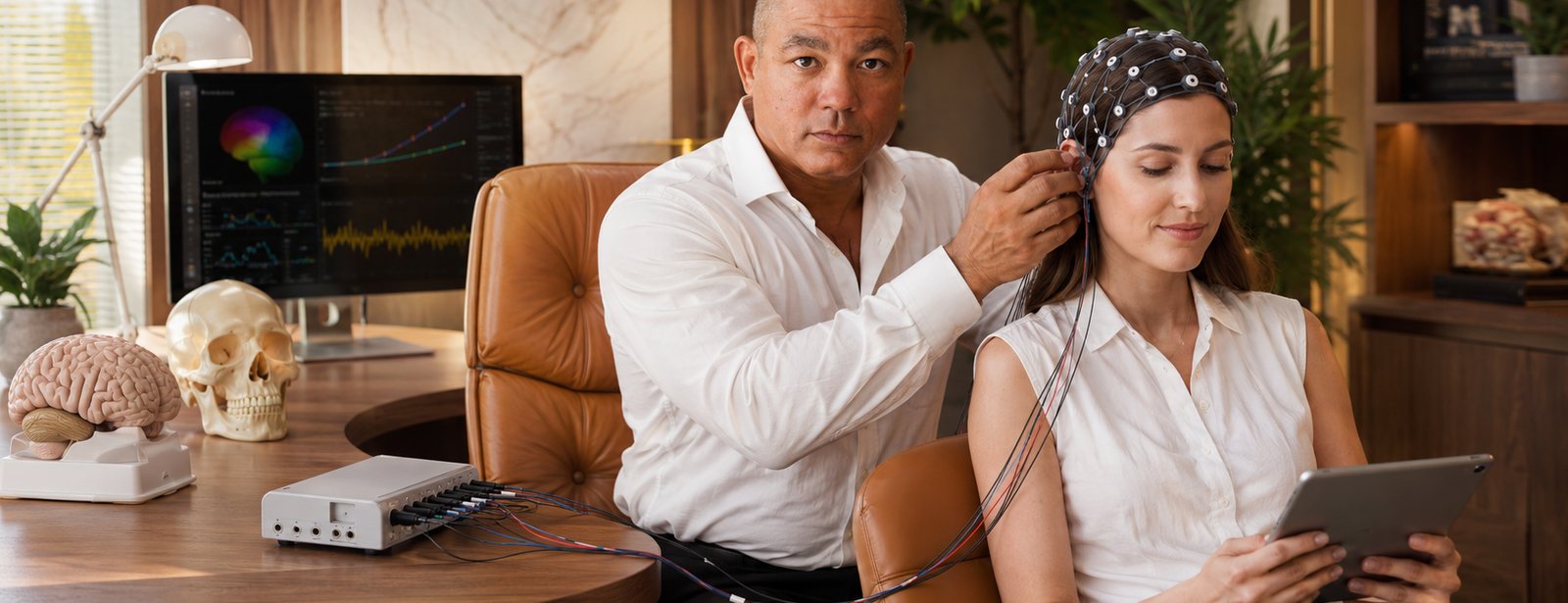
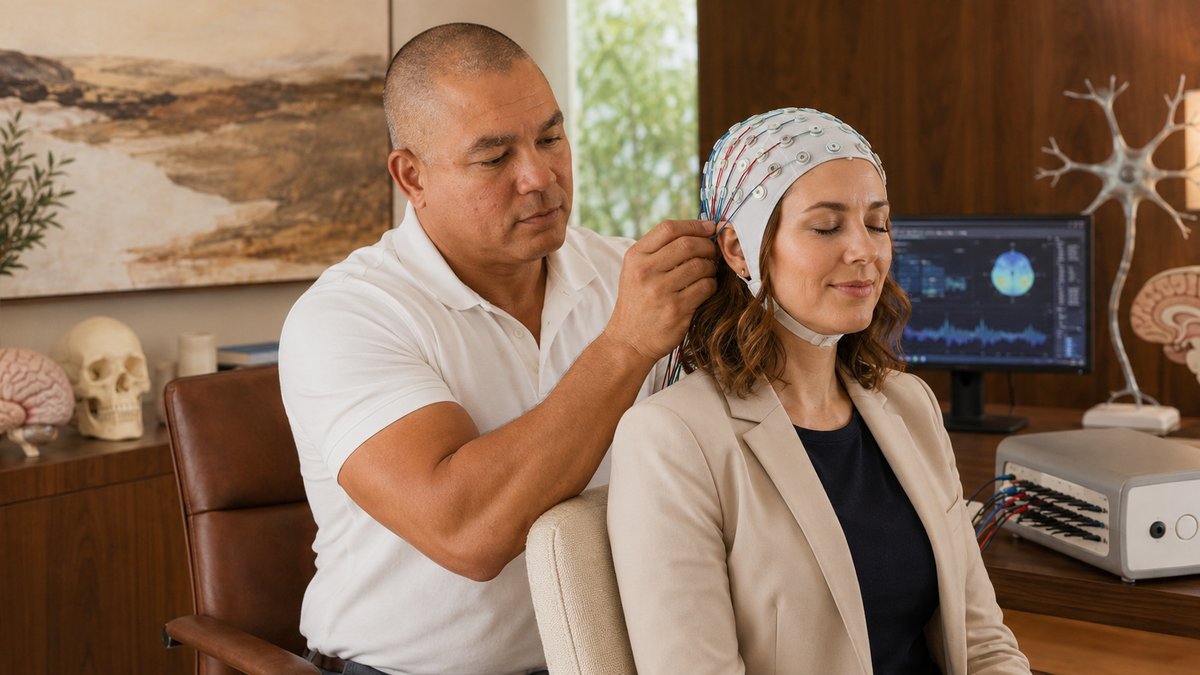
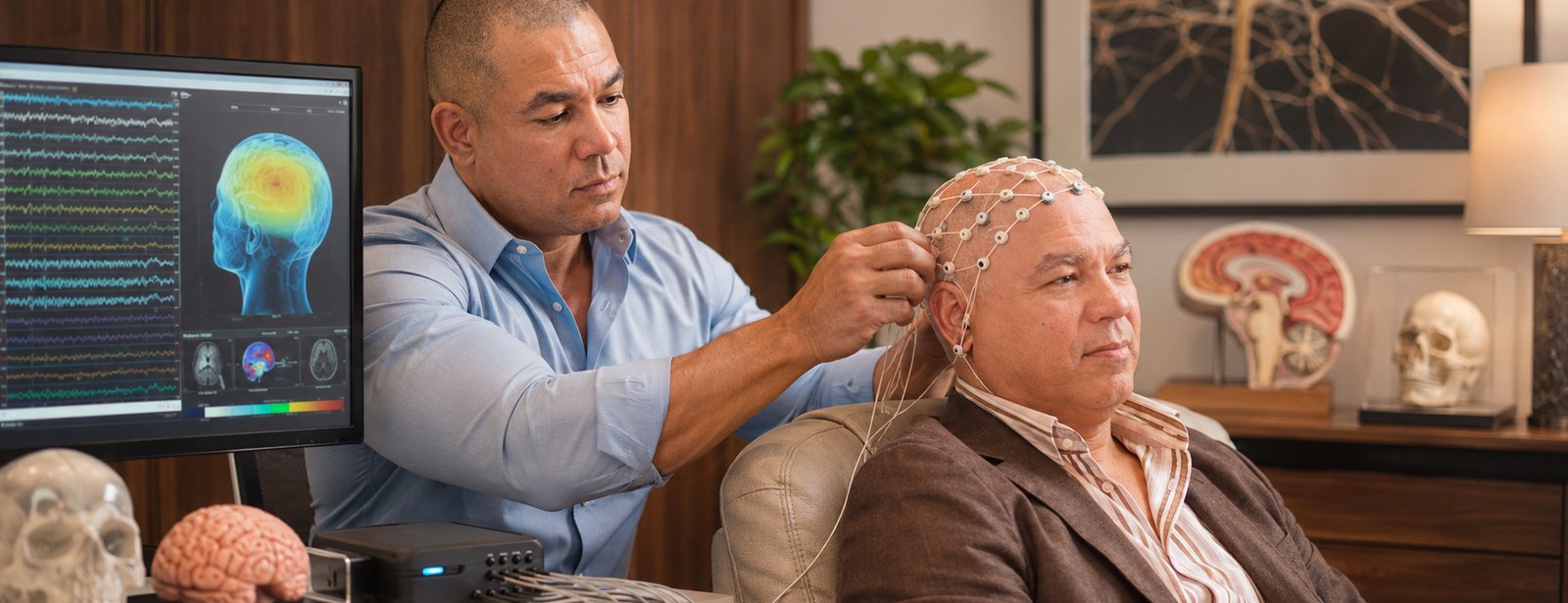
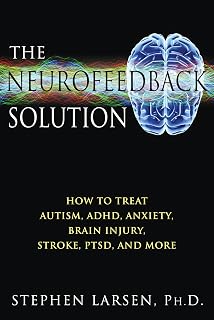
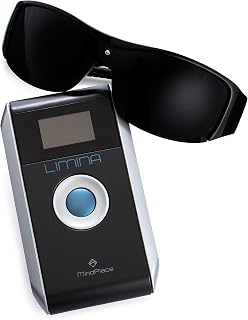
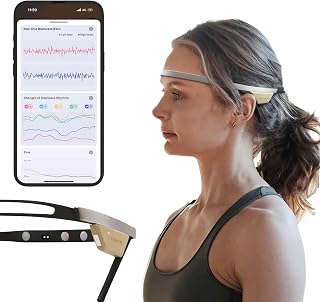
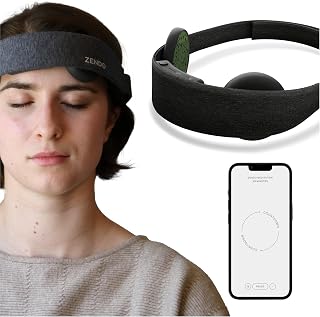
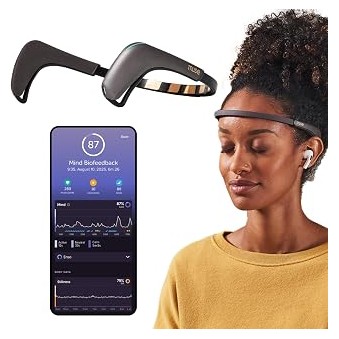
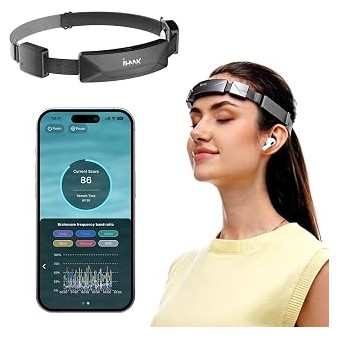
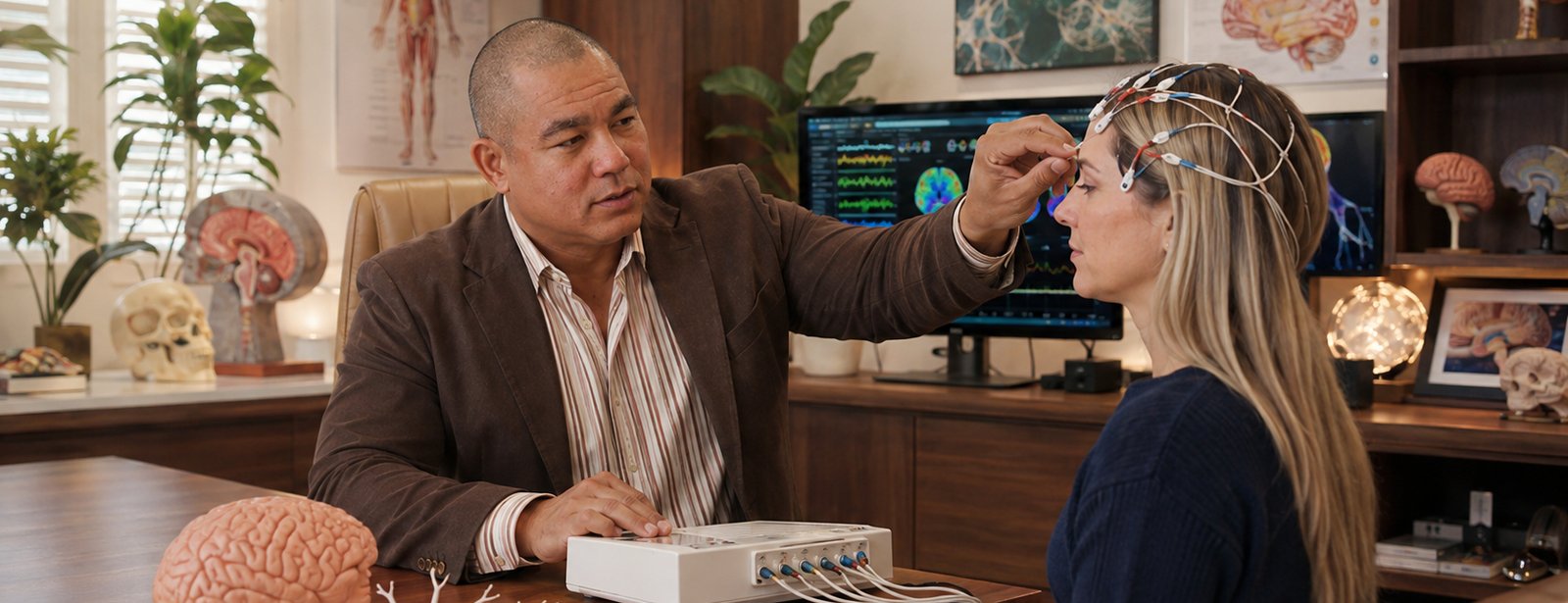
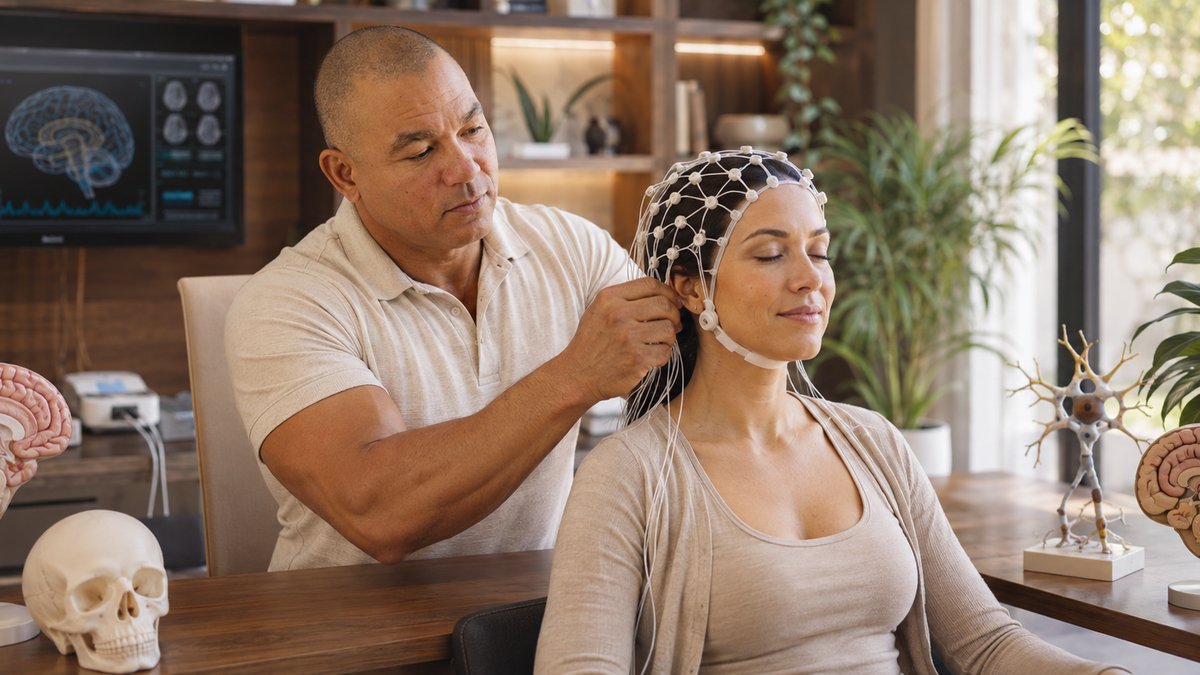
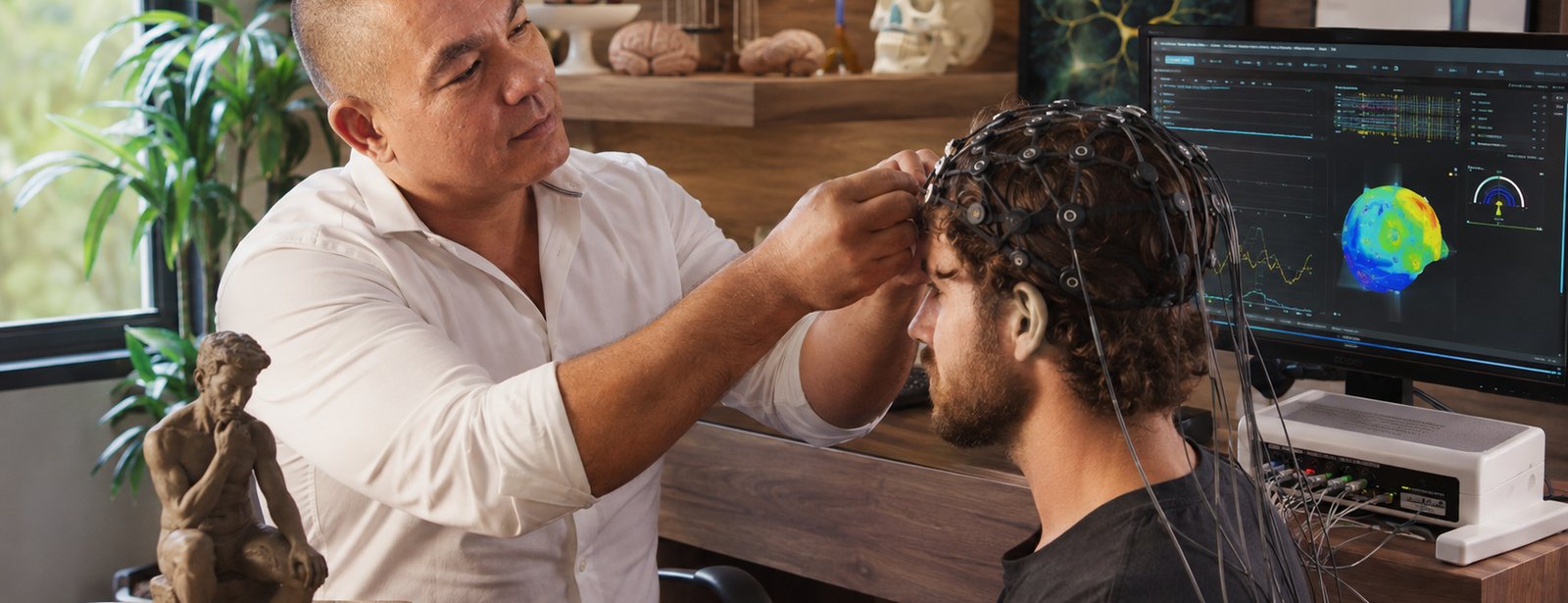
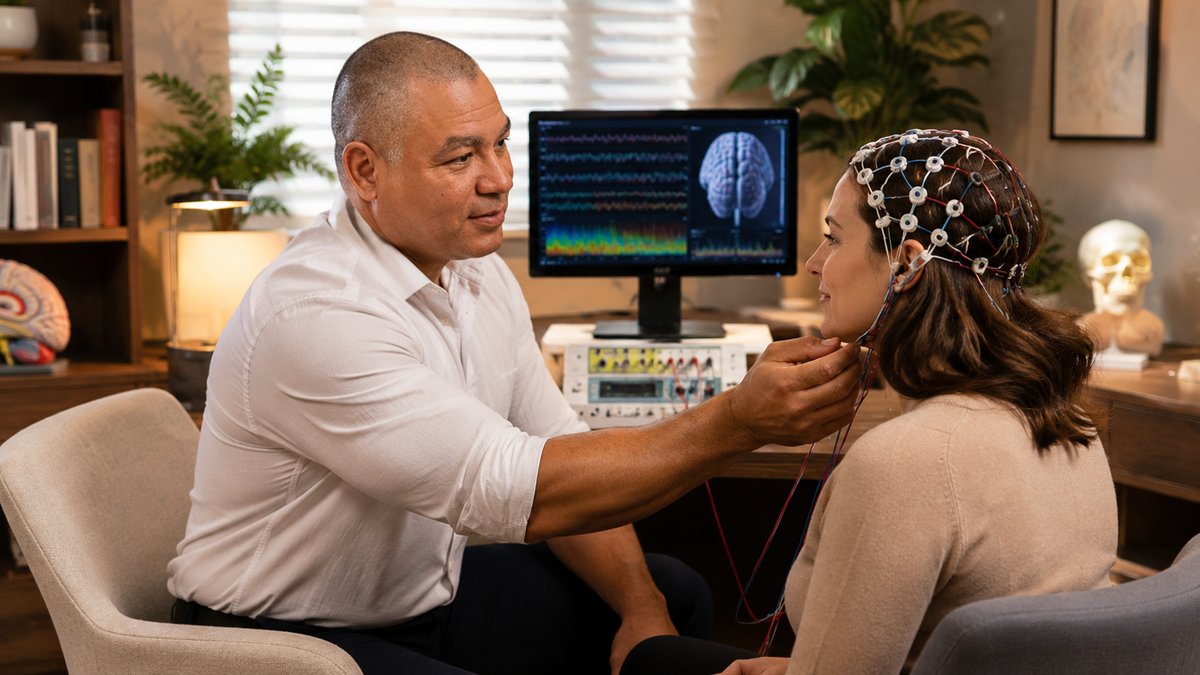
Neurofeedback aims to calm an over-activated nervous system and ease the persistent worry, tension, and low mood that come with anxiety, chronic stress, and low-grade depression. By giving the brain real-time feedback on its own electrical patterns, training encourages steadier, more self-regulated states over a series of sessions.
The research base here is growing but still evolving, and results vary from person to person. Neurofeedback is offered as a training and wellness modality, not a cure, and it is not a substitute for evaluation and treatment by a licensed clinician. For anyone experiencing significant or worsening symptoms, we encourage coordinating care with a physician or mental-health professional.
The most rigorous 2025 evidence keeps this in perspective. A systematic review and meta-analysis published in JAMA Psychiatry in February 2025 pooled 38 randomized trials covering roughly 2,472 participants and found that, once outcomes were probably blinded, neurofeedback showed no clear benefit as a stand-alone treatment for ADHD — though small, statistically significant gains did appear for well-established standard protocols on measures such as processing speed. We read findings like these as a reason to stay honest about what training can and cannot do: we present neurofeedback as a supportive practice with individualized goals, coordinated with your medical providers, never as a guaranteed fix.
Sources: International Society for Neurofeedback & Research; NIH / PubMed; JAMA Psychiatry (2025)